.jpg)
The height of the hot summer is now sadly a rather distant memory, but what a summer it was! I will confess to eating a rather large quantity of ice cream over the period, not to mention a copious amount of cake and biscuits, plus the odd doughnut for good measure. For those of you familiar with the steam department, it’s not just coal and water that keep us going. You can’t get much done on an empty stomach, as the saying goes, ‘food for the soul.’ We are now steaming our way to the joyous Christmas festivities. Oh dear, Mum won't be amused, because I've mentioned the 'C' word!
As much as I’d like to talk more about scrumptious food, namely mince pies, I’m sure you’ll agree that this is getting somewhat off topic (although I'm sure 'Duty Cake Officer' Smithy would beg to differ). The likes of Nigella Lawson and ‘The Great British Bake Off’ are far more adept in such matters. Personally speaking, I wonder if the heritage sector could set up its own competition – ‘The Great British Steam Off’ perhaps? I’ll get my coat, folks. Don't worry, I know my place in the department hierarchy. On a more serious note, it's our last major event of the year this weekend.
As much as I’d like to talk more about scrumptious food, namely mince pies, I’m sure you’ll agree that this is getting somewhat off topic (although I'm sure 'Duty Cake Officer' Smithy would beg to differ). The likes of Nigella Lawson and ‘The Great British Bake Off’ are far more adept in such matters. Personally speaking, I wonder if the heritage sector could set up its own competition – ‘The Great British Steam Off’ perhaps? I’ll get my coat, folks. Don't worry, I know my place in the department hierarchy. On a more serious note, it's our last major event of the year this weekend.

As I’m sure many readers will be aware, this summer proved to be an unusually testing period for the steam department. For a railway whose identity is so closely associated with the sight, sound and smell of steam locomotives, the prolonged suspension of steam services during the height of the operating season was inevitably disappointing for both us and enthusiasts. Yet, purely viewed from the perspective of the department itself, the past few months have been less a story of locomotives being stood down than one of adaptation, engineering and preparation for the future - a never-ending task.

6880 at Cheltenham with an appropriate headboard!- 26th September 2026 - Photo courtesy of Matt Palmer
To regular followers of this blog, some of the following will be familiar from the previous instalment. The difficulties began in July, when exceptionally hot and dry weather created conditions in which the operation of our steam locomotives presented an unacceptable fire risk. The GWSR introduced a fire-risk timetable later that month, with our heritage diesel traction taking over passenger services. Following several small lineside fires, the railway took the decision to suspend steam operation altogether. For visitors accustomed to seeing the railway's steam fleet in action, the change was immediately apparent, although it did provide opportunities for steam crews to help with diesel second man duties.

Such a decision is never taken lightly. A steam locomotive may be perfectly fit from an engineering standpoint while nevertheless being unsuitable for operation because of prevailing environmental conditions. With vegetation along the railway's route tinder-dry, the risk posed by sparks, hot ash and cinders was considerable. Frustrating as the situation was, the GWSR's responsibility extended beyond its own infrastructure to neighbouring landowners and the surrounding countryside, making the withdrawal of steam a necessary safety measure rather than simply an operational inconvenience.

Importantly, the suspension of steam did not mean that the steam department simply ceased work; far from it, the opposite is true. This department is, by its very nature, a continuous engineering operation. Locomotives still require examination, lubrication, cleaning, adjustment and maintenance regardless of whether or not they are hauling trains, while larger restoration and overhaul projects (namely 2874, 7820, 7903, 76077 & 35006) continue independently of the public timetable. The quieter operational period did provide occasions for department members to carry out additional training and exams, which is often quite a challenge when the railway is running under normal conditions - just ask our long-suffering training team and roster clerks! Mention, of course, must go to John, Ryan, Ben and Tom who have a very trying job at the best of times. These chaps do a sterling job.

The priority during August remained finding a safe route back to steam. The initial rainfall was insufficient to remove the fire risk, and the continuing dryness meant that the hoped-for return to normal operation had to be postponed. The situation was reviewed on a weekly basis, but despite everyone’s best efforts, the weather simply didn’t want to play ball. The question remained: when would we get a decent break?
.jpg)
What a difference a year makes - 35006 as of the 8th October 2026 - More 'Mad Max' than Merchant Navy!
The enforced pause provided an opportunity to assess the operational fleet and review what could be done to reduce the fire risk. With hotter and increasingly difficult summers becoming more prevalent in recent years (which was particularly impactful during our Cotswold Festival of Steam), anything to improve our resilience was worth looking at. Where possible, modifications were made to improve spark-arresting capability, reduce the likelihood of hot ash escaping from the ashpans, and enhance ashpan sprinkling systems. As an example, those of you who have followed 35006 over the years will be aware that we encountered a few ashpan fires, which required a fair amount of remedial work.
Besides the locomotives themselves, there was also a human dimension to the summer's restrictions. Working on steam engines is physically demanding at the best of times, and exceptionally high temperatures create additional hazards for volunteers working inside sheds, around locomotives and in confined engineering spaces. The GWSR consequently had to consider not only the fire risk created by operating steam but also the welfare of the volunteers who maintain and operate them. This is an increasingly important consideration for volunteer-run heritage railways: the preservation of historic engines ultimately depends upon preserving the health, enthusiasm and availability of the people who look after them. I don’t do well in the heat myself, and there were a few occasions where I felt it was simply too hot for me to be of any use. Modern trains have A/C, yet fitting an air conditioning unit to a steam locomotive would rather spoil the atmosphere and ambience, never mind its elegant appearance!
2807 passes through Winchcombe - 31st August 2026 - Video courtesy of Ian Crowder
The breakthrough finally came towards the end of August. Following significant rainfall, the GWSR announced on 28th August that steam services would resume after a break of more than a month. In a practical sense, it was a huge relief for the operational side of the department, and our enforced ‘Not to be moved’ board could, at long last, be removed! The resumption was not simply a matter of lighting fires again; it was the result of a considered assessment that the environmental conditions, together with the additional precautions introduced by the railway, permitted steam operation to recommence. A locomotive survives because somebody is prepared to learn how it works, understand its individual characteristics and devote time to keeping it operational. In this regard, the preservation of a steam locomotive is inseparable from the preservation of the skills required to maintain it.

With steam returning to the rails, several days were spent ensuring the home fleet was back in tip-top condition. This involved extensive cleaning of the engines after being stationary inside the DP shed for a prolonged period. With overhauls continuing, it doesn’t take long for locomotives to get covered in a thick layer of dirt and detritus from the surrounding area. Towards the end of August, 6880 received a boiler washout, and several defects had been addressed and repaired. Steaming’s over the next couple of months will be shared between 2807, 3850, 6880 and the visiting ‘Black 5’ 45110.

A very shiny 3850 numberplate - 14th August 2026 - Photo courtesy of Mark Sanders
During September, and at relatively short notice, it was announced that 3850 would attend the Autumn Steam Gala at the Severn Valley Railway. This was due to a couple of the other previously revealed guests not being able to attend the event due to unforeseen circumstances. With the SVR having helped with our own galas in previous years, it was quite fitting and in good spirit that DMLL and the GWSR were able to return the favour. Whilst in some quarters, some regard the heritage railway movement as having some healthy rivalries, we are all one big family, all striving to preserve our steam history for current and future generations. This is what really matters to all of us involved.

45110 at Toddington - 19th September 2026 - Photo courtesy of Andrew Beale
Before the ‘2884’ stalwart could depart for the SVR, several tasks had to be completed in addition to a thorough clean and polish. These included: draining the tender, ensuring the coal in the tender was secure, greasing the locomotive and tender brake gear, full locomotive disposal, and fitting new flange lubricator sticks.
3850 on the turntable at Kidderminster - Video courtesy of Mark Harding
3850 making light work of the 'bank' outside of Highley - Video courtesy of Mike Solloway
I’m pleased to report that 3850 went down at treat at the gala and impressed everyone at the SVR. Several comments were made about how well the locomotive was finished, how well it rode, along with very positive comments about the ashpan. It goes to show that all of the blood, sweat and tears during a locomotive's heavy overhaul really does pay off in the end. 3850 was returned safely to Toddington towards the end of September and has continued operating well since.

<------------->
Now it's time for some locomotive updates, and for this instalment, I thought we'd focus on the progress with 76077.
76077 / Toddington Standard Locomotive Limited Update - 23rd August 2026 - Written by TSLL
Really good day at LMS yesterday, 7 in and we all got stuck in. Details with photos. All pictures TSLL unless stated otherwise.

Start of the day and the main job was to remove the two piston heads from the rods. Left and right hand threaded nuts that hadn’t moved since 1964… shouldn’t be too hard.


<------------->
76077 / Toddington Standard Locomotive Limited Update - 2nd September 2026 - Written by TSLL
A good day yesterday working on the chassis at LMS. The focus was on fitting the new studs to the right hand cylinder and the having a go at fitting both rear covers. Additionally, the recently split down piston assemblies and valve spindles were cleaned for inspection along with a myriad of parts being painted. Just the three of us but we hanged a lot in the time.


<------------->
76077 / Toddington Standard Locomotive Limited Update - 8th September 2026 - Written by TSLL
A small group spent Saturday working on pieces for 77 at Toddington. I managed some painting first thing before having to go out driving. The others soldiered on with More bits that won’t be seen, but needed none the less! See comments for information.


<------------->
76077 / TSLL Workshop Update – 18th September 2026 - Written by TSLL
This workshop update follows hot on the heels of our latest Magazine, as since going to press we have made excellent progress in several important areas and we wanted to share it with you.
Starting with the boiler. Following protracted discussions between ourselves, Leaky Finders, and our boiler inspector we now know exactly what work is needed and how much it’s going to cost to complete the boiler. Including a small contingency, we expect the total cost to be just under £500,000. We have had to remove a little more of the copper and steel firebox sides than originally intended, to remove some flaws in the material, but the good news is the replacement copper sheets we already have are big enough to achieve this. Replacing more platework also helps us in that some of the larger size stays high up in the firebox which were approaching maximum size can be replaced with first size stays building more longevity into the boiler. The new copper doorplate flanged at Heritage Boiler Steam Services is complete and thanks to the generosity of shareholder Andrew Goodman both the new and old doorplates are being transported back down to Leaky finders FOC.
Starting with the boiler. Following protracted discussions between ourselves, Leaky Finders, and our boiler inspector we now know exactly what work is needed and how much it’s going to cost to complete the boiler. Including a small contingency, we expect the total cost to be just under £500,000. We have had to remove a little more of the copper and steel firebox sides than originally intended, to remove some flaws in the material, but the good news is the replacement copper sheets we already have are big enough to achieve this. Replacing more platework also helps us in that some of the larger size stays high up in the firebox which were approaching maximum size can be replaced with first size stays building more longevity into the boiler. The new copper doorplate flanged at Heritage Boiler Steam Services is complete and thanks to the generosity of shareholder Andrew Goodman both the new and old doorplates are being transported back down to Leaky finders FOC.
At Leaky Finders the firebox tubeplate has had all the weld repairs completed, which means the lap edges have been returned to as new size and the holes which secure the tubeplate to the foundation ring should actually now line up with the holes in the foundation ring, a novel feature which was obviously lost on the BR workforce who carried out the boilers last overhaul!! The new copper side sheets for the firebox are being formed to follow the shape of the original. To save money the old front barrel section has been cut up to make the former enabling the new copper firebox sides to be heated and knocked over to the required shape. The front tubeplate is also complete, although it will be one of the last items to be fitted as with it out good access into the boiler is available. For those of you coming down to our open day on the 3rd of October all this work will be on display, and I will be on hand to answer any questions you may wish to ask.
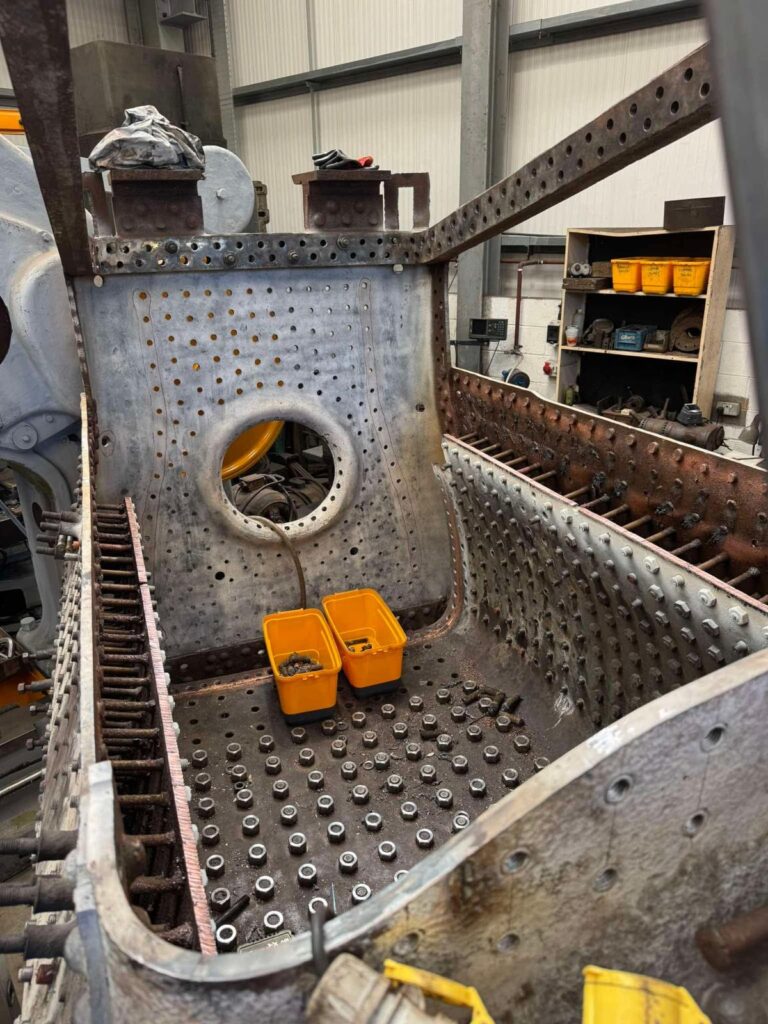
Firebox showing how much material has been removed
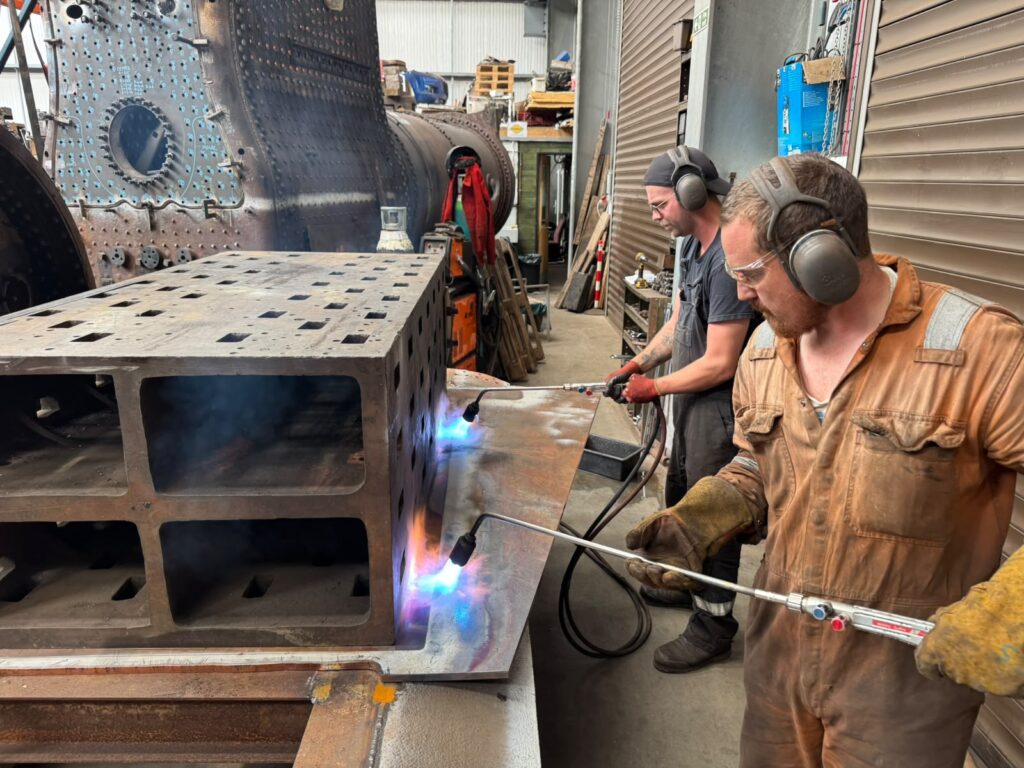
New copper sides being formed at Leaky Finders
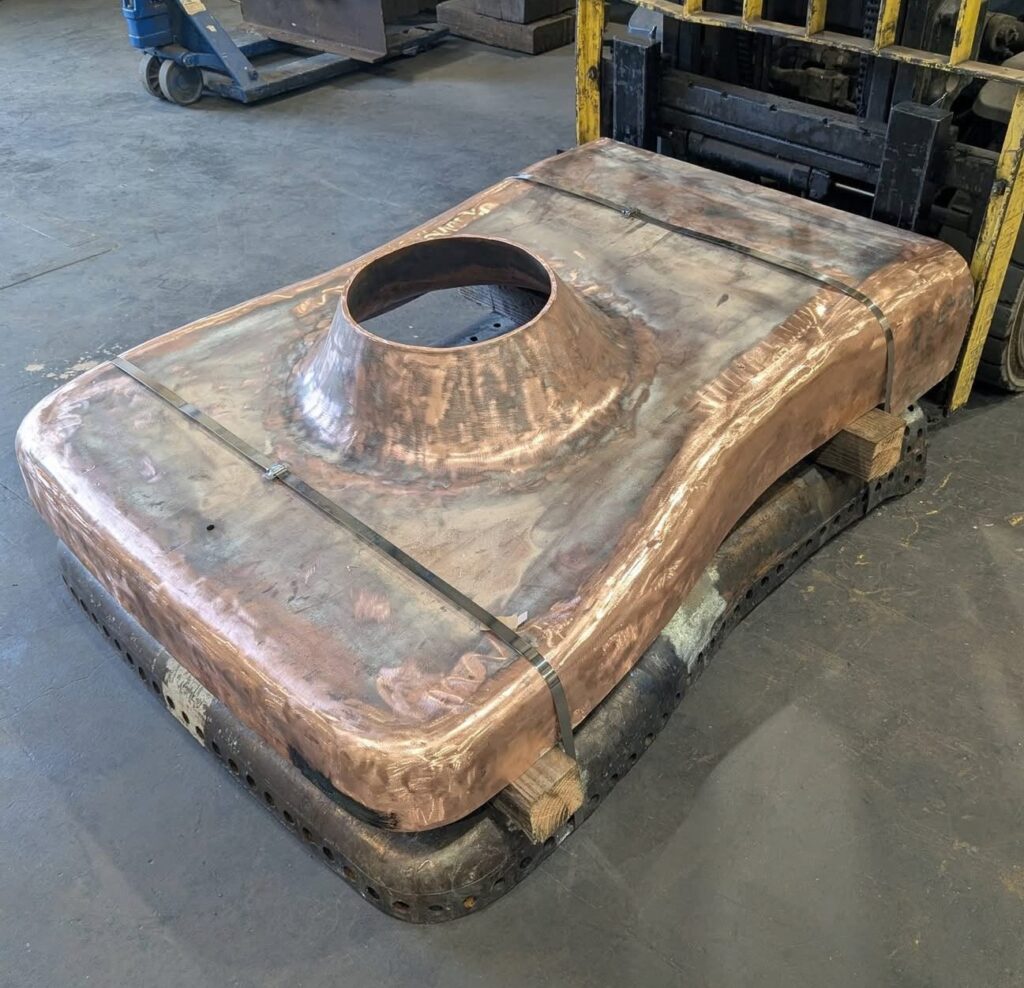
New copper doorplate ready for delivery to Leaky Finders
At LMS, the finished steam brake cylinder has been fitted to the locomotive together with the adjuster and first pull rod to the cross beam on the trailing set of wheels.
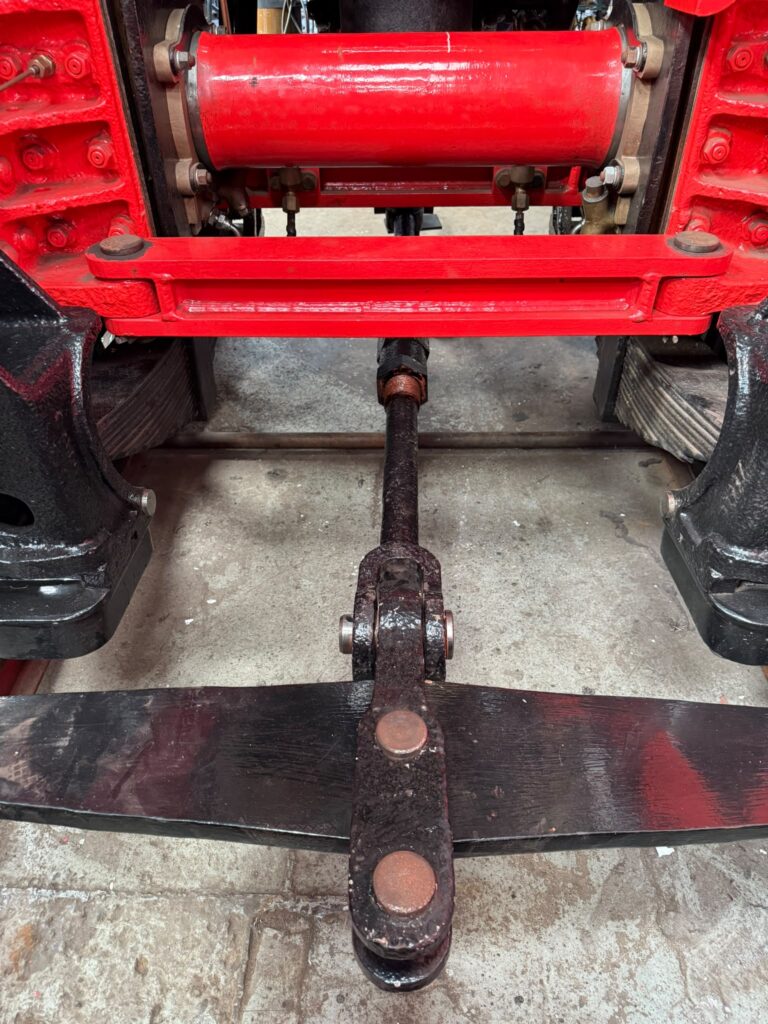
Brake adjuster and trailing pull rod fitted to frames
The 2 remaining pull rods to couple the brake gear to the driving and leading wheels are about to be fabricated, using the eyes machined at Toddington by volunteer Keith Harvey.
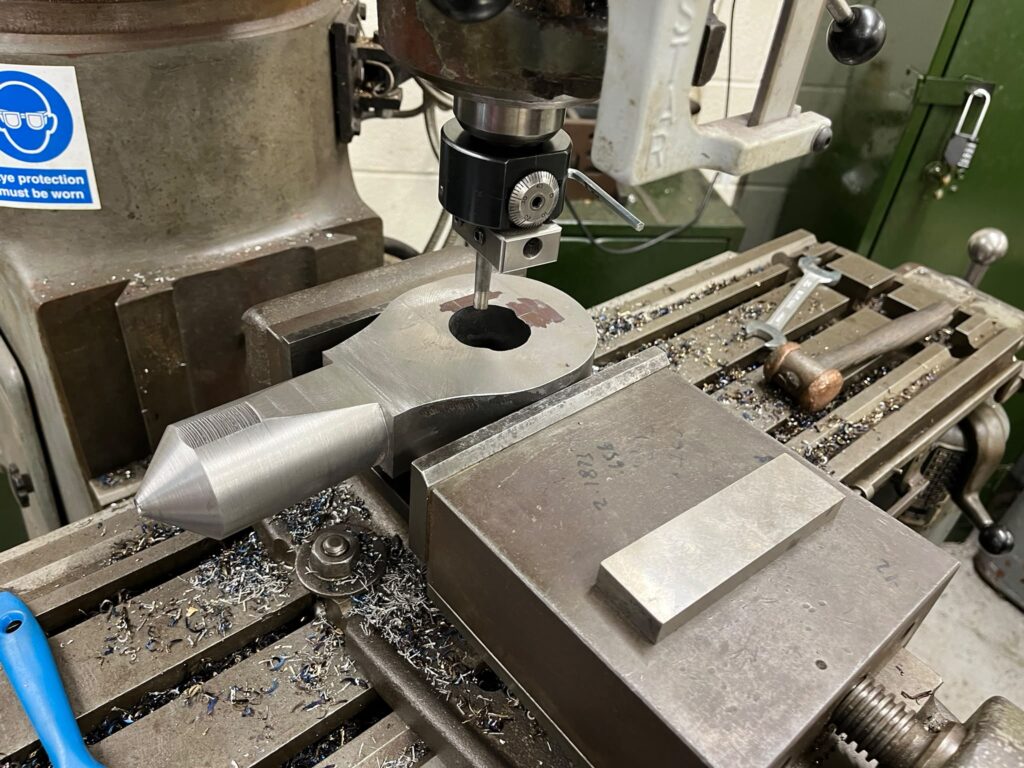
Brake pull rod eyes machined by Keith Harvey
The big news we wanted to share with you is both the cylinders have finally been machined to remove the pitting in the bottom of the bores which occurred during its time at Barry Scrapyard when the front cylinder covers were removed by some helpful individual, presumably as a set of spares. The 17 ½” diameter cylinders had previously been bored out by BR to 17 5/8” the LHS had the worst amount of pitting (presumably the side facing the sea at Barry) which has had to be machined out to 17 ¾” the RHS wasn’t as bad, so it cleaned up at 17 11/16”. The maximum size the cylinders can be bored out to is 18”, after that a liner is required to be inserted, taking the bore to go back to 17 ½”. We are lucky that the cylinders should have at least another 2 bores in them so liners shouldn’t be required for 30 years or more. Having taken out more material than first hoped, we will need to replace the piston heads as the clearance between the head and the cylinder bore is now very nearly at the maximum allowed. Fortunately knowing this might be required, we already have a set of piston head castings in stock which will be machined and fitted on to the original piston rods.
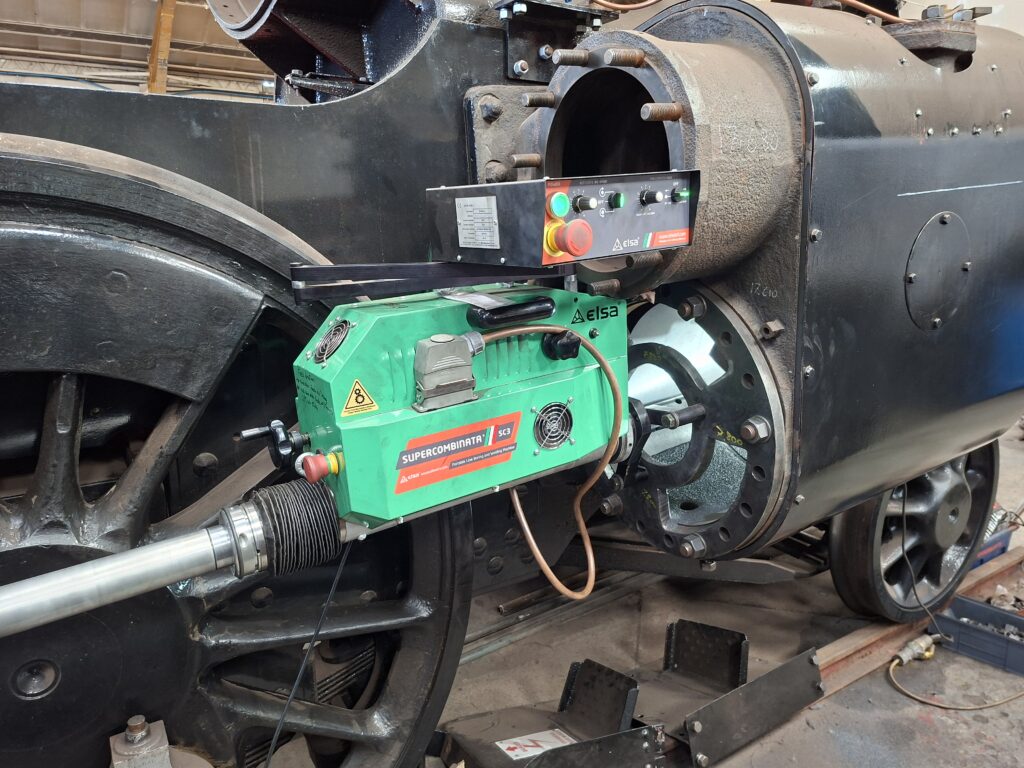
Boring machine set up in RHS cylinder
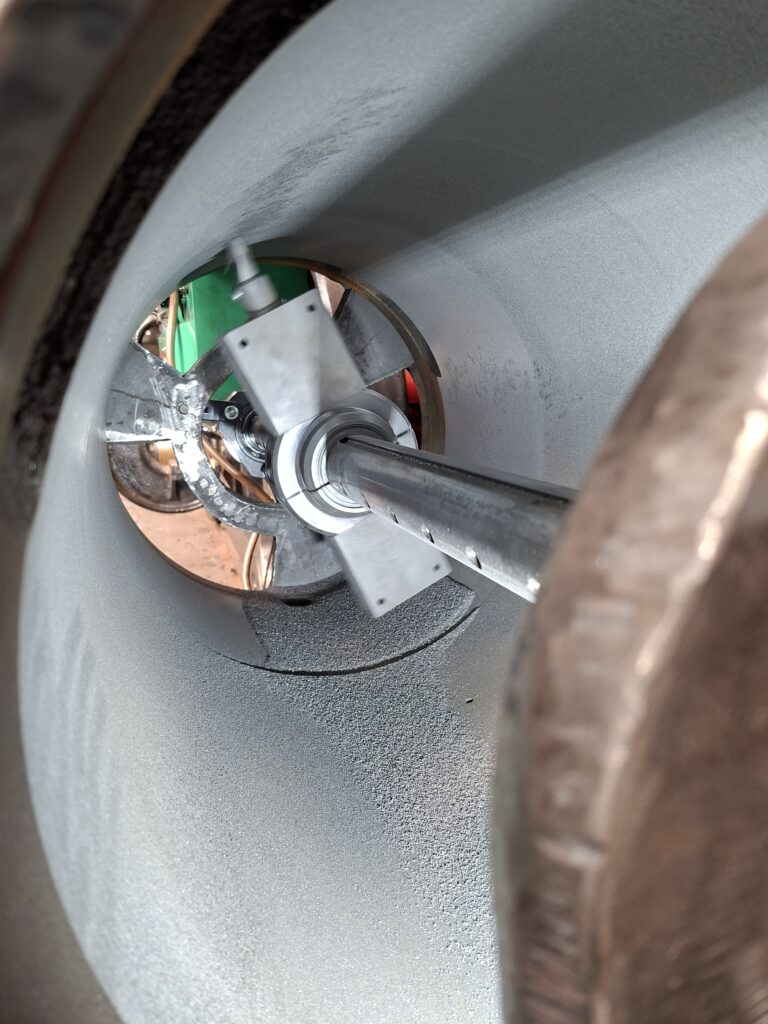
Showing the cutting tool attached to the boring bar
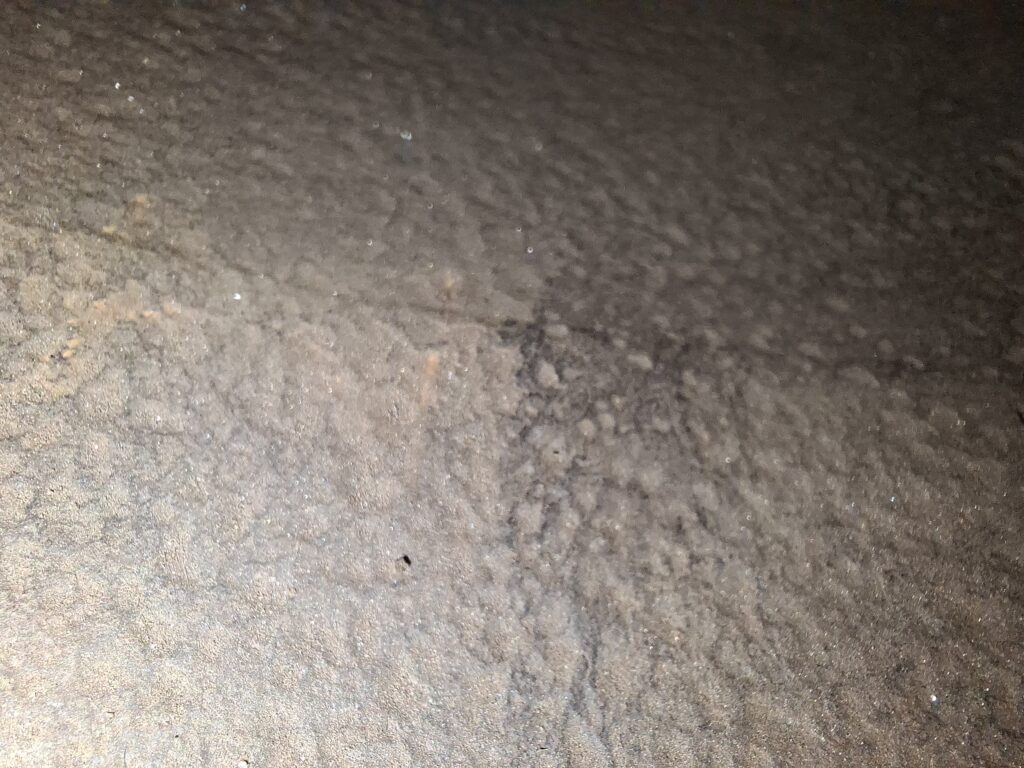
A close up view of the pitting in the bottom of the cylinder bores
All the cylinder and valve covers have been shotblasted and painted and any of the sealing faces machined where required. All the old studs have been removed, and new studs are being fitted in the covers for the piston rod packing glands and the cylinder relief valves. New studs have also been screwed into the ends of the cylinders which has enabled the rear cylinder covers to be permanently fitted. This will allow the front brake hanger brackets to be fitted (and the hangers and crossbeams), as due to the proximity you can’t access the rear cylinder covers with them in place.
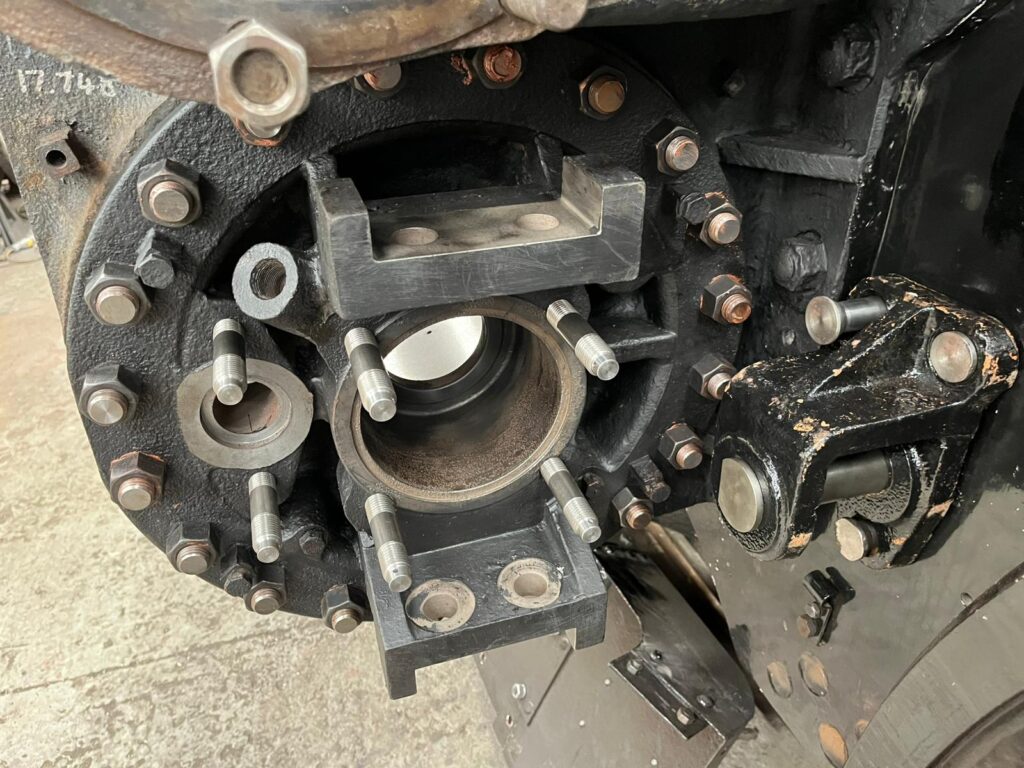
Rear cylinder cover fitted to LHS cylinder
With the rear cylinder covers fitted one of the next major tasks will be to align and secure the slide bars, once that is done the previously white metaled crossheads can be machined and fitted, that in turn will enabling us to complete and fit the connecting rods to the locomotive. As you can see the machining of the cylinders opens up the next major phase of works on the locomotive. The valve bores are still to be machined but will be done in conjunction with current standard 4 shed mate 80072.
After more than 2 years on order, the replacement valve rod crosshead has been delivered. The arrival of this component is a major milestone in that it marks the final item required for the motion on the locomotive. All that remains to be done is final machining of the tapered bore, so it fits accurately on the valve spindle. This component has been kindly sponsored by shareholder and fellow steam Inspector Jeff Lacey, many thanks Jeff.
After more than 2 years on order, the replacement valve rod crosshead has been delivered. The arrival of this component is a major milestone in that it marks the final item required for the motion on the locomotive. All that remains to be done is final machining of the tapered bore, so it fits accurately on the valve spindle. This component has been kindly sponsored by shareholder and fellow steam Inspector Jeff Lacey, many thanks Jeff.
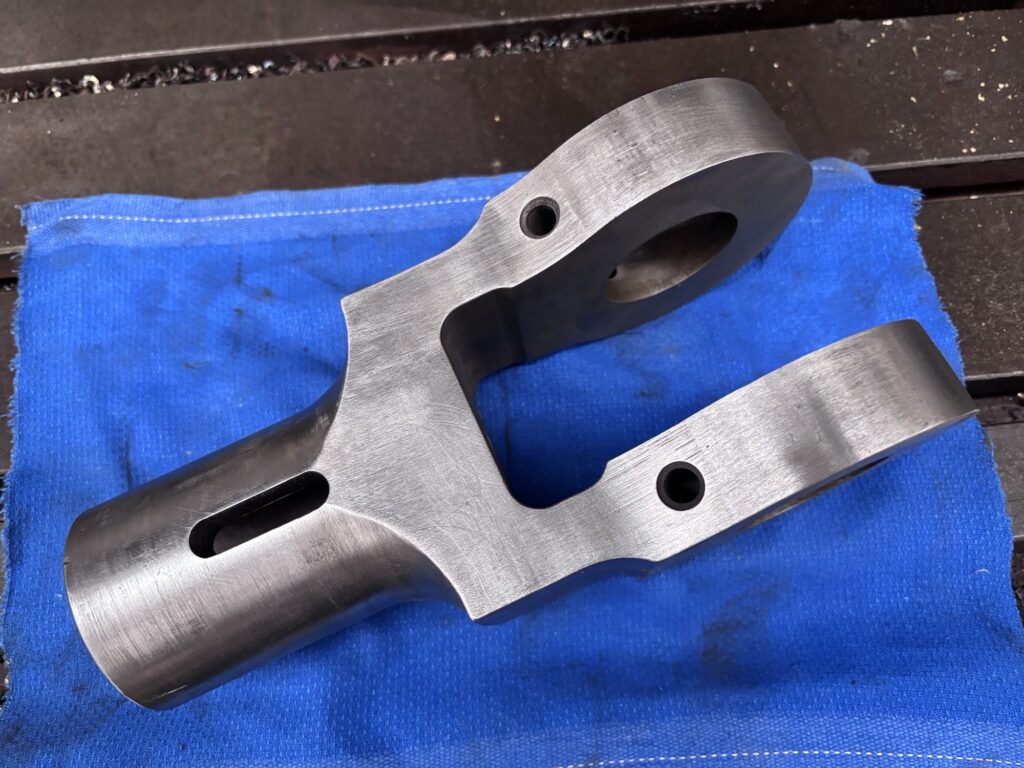
New valve crosshead
Recent communication with our friends at 76084 locomotive company has revealed that they are experiencing difficulties with the supplier producing new return cranks to replace the two which we loaned to them 15 years ago. As a result, and to enable us to get on and complete the motion on our locomotive I have regrettably had to ask for our originals to be returned, so a trip over to the North Norfolk Railway is on the cards in the near future to collect them.
A couple of volunteer workdays up at LMS have seen the old piston heads removed from the rods and the valve heads removed from the valve spindle. The nuts securing the piston heads put up quite a fight, but 2 gas torches heated them sufficiently to break the rust seal and enable us to unwind them. The nuts were so big, a custom spanner had to be made for the task. The piston rods have already been ground many years ago so should only need a polish in the lathe before reusing, the piston valve spindles on the other hand are still in ex Barry condition so will need machining to remove heavy pitting in the steel.
A couple of volunteer workdays up at LMS have seen the old piston heads removed from the rods and the valve heads removed from the valve spindle. The nuts securing the piston heads put up quite a fight, but 2 gas torches heated them sufficiently to break the rust seal and enable us to unwind them. The nuts were so big, a custom spanner had to be made for the task. The piston rods have already been ground many years ago so should only need a polish in the lathe before reusing, the piston valve spindles on the other hand are still in ex Barry condition so will need machining to remove heavy pitting in the steel.
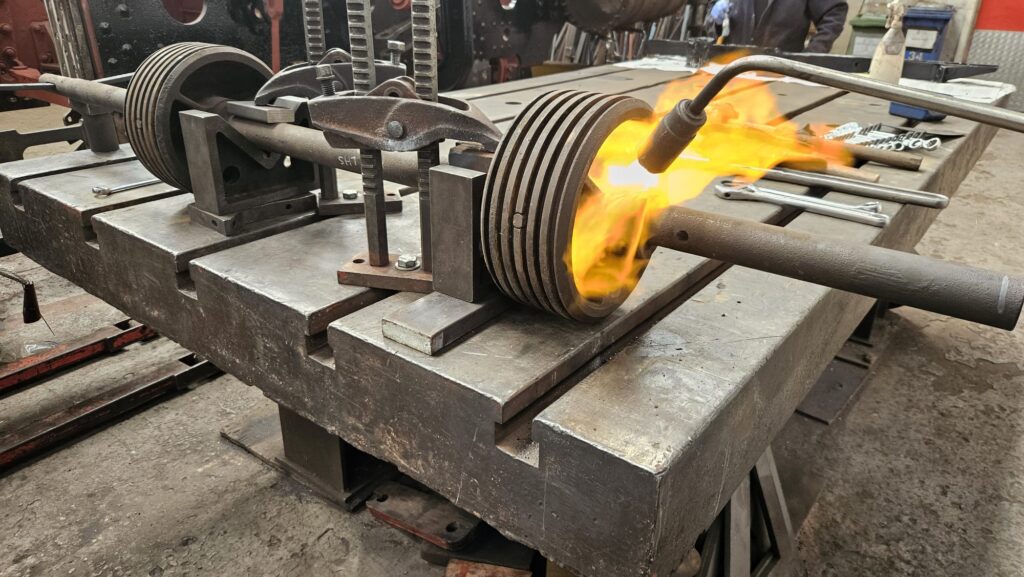
Removing the valve heads from the spindles
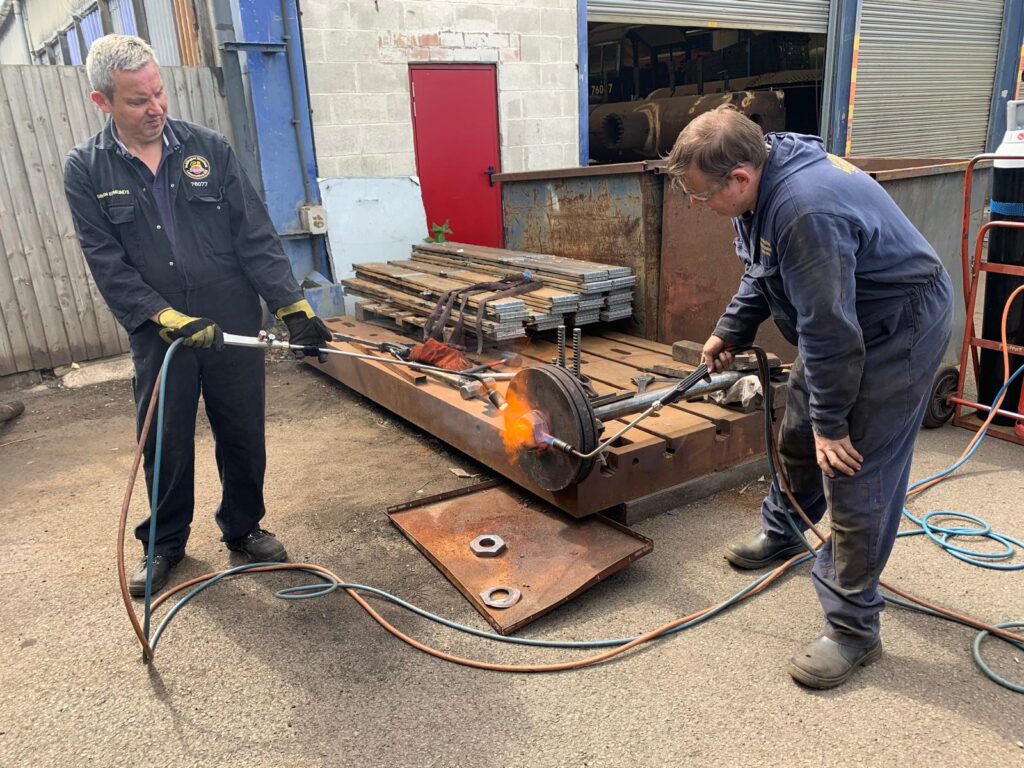
Heating the nuts to remove the piston heads
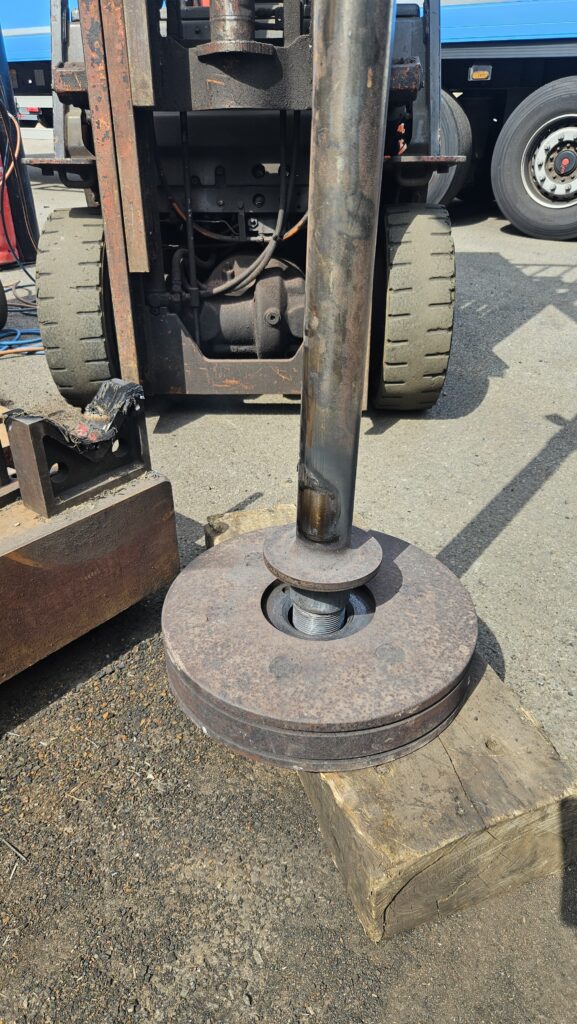
Final separation of the piston heads
Supporter Malcolm Stringer has been busy in his home workshop, Malcolm likes a challenge so agreed to machine the 2 forked ends for the regulator operating rod, which had been kicking around on the floor of the container for many months waiting for me to make them. As usual Malcolm has made an excellent job of these awkward, shaped components. Malcolm’s CNC milling machine came in very handy for the task profiling out the U-shaped ends. Within 24 hours of delivery, they had been fitted to the rod and welded in place.
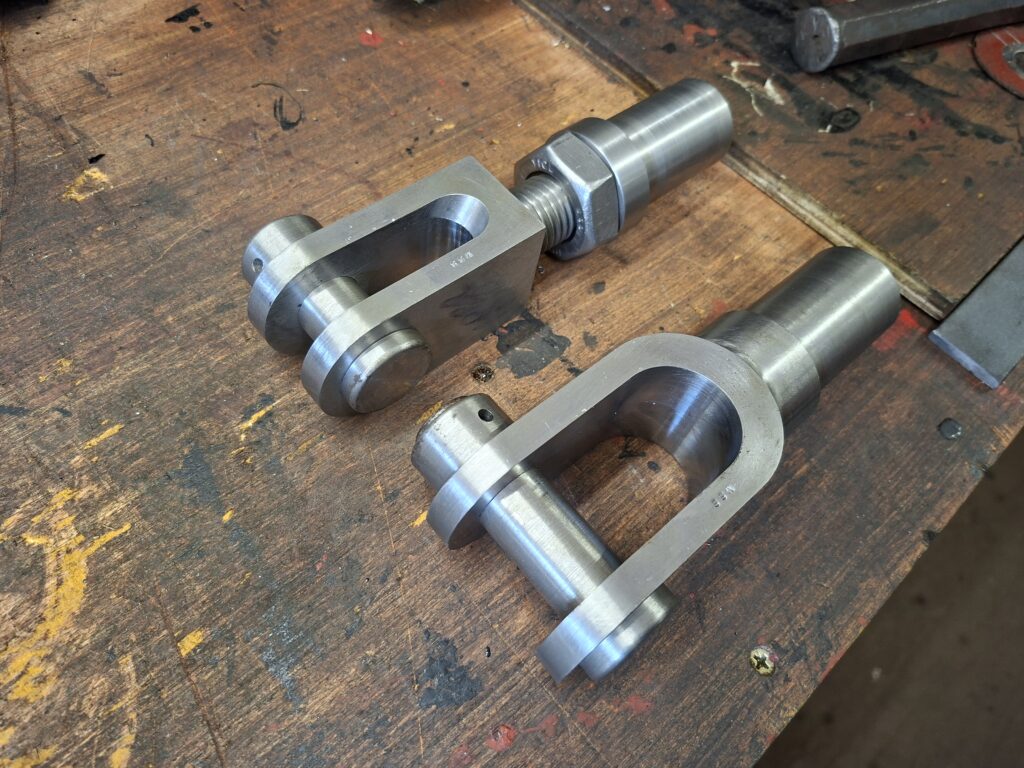
Regulator operating rod forked ends
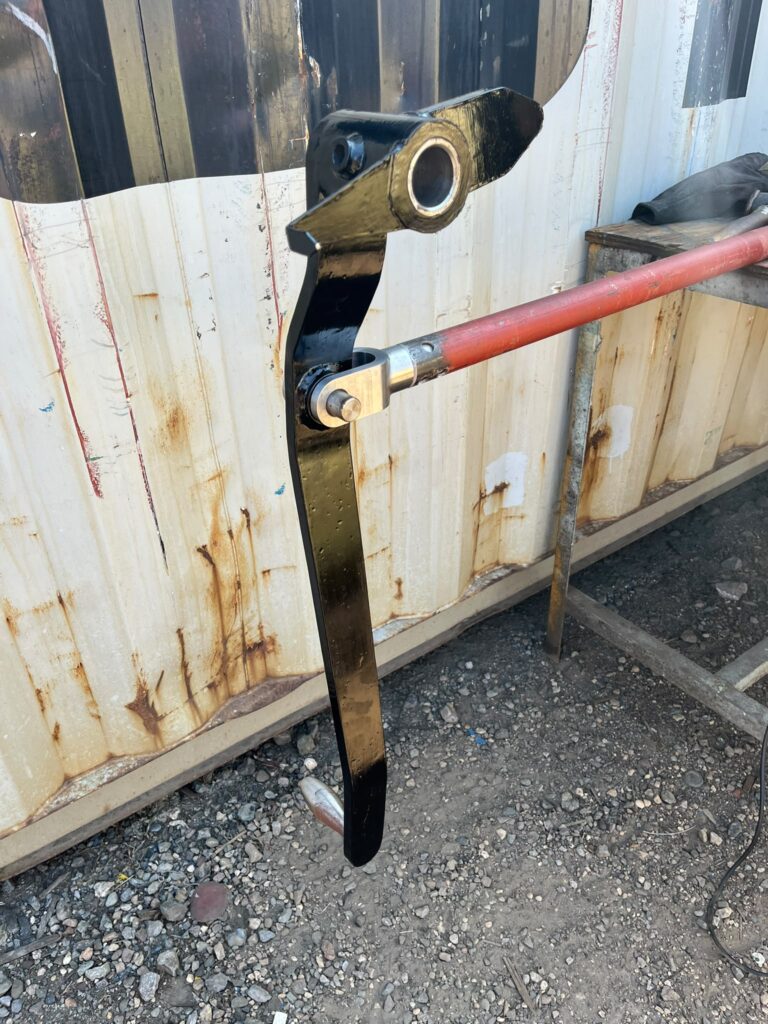
Regulator handle test fitted to new forked ends on operating rod
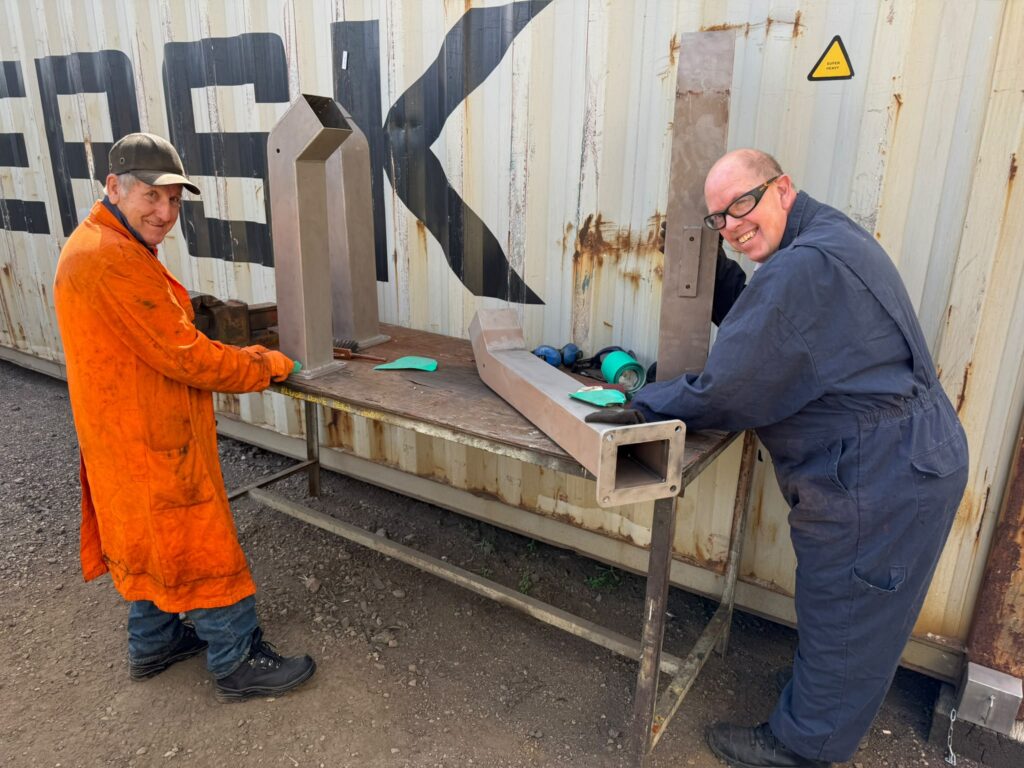
At Toddington our volunteers have been busy making many of the brackets and missing parts for the locomotive. We had lost one of the original guard irons which attach to the pony truck, so armed with an offcut of 1” thick steel plate Graham Gould spent several days cutting out the required shape. As we couldn’t easily bend the steel, we fabricate the new one by welding it together. We have also been making blanking plates to hydraulic all the boiler fittings, as well as painting all the previously made parts such as the sand box filler pipes in preparation for fitting to the locomotive. In the machine shop at Toddington new bolts to secure the boiler have been made as well as pipe flanges for the injector steam and delivery pipes. The never-ending supply of pipe nuts and cones continue to be machined, both at Toddington and in my home workshop. GWSR machine shop stalwart Rod Minchin has started machining the replacement blastpipe and cap. Unfortunately, the blast pipe cap casting has been found to be defective (the core having slipped during the casting process) so has had to be sent back to the supplier for a replacement to be cast.
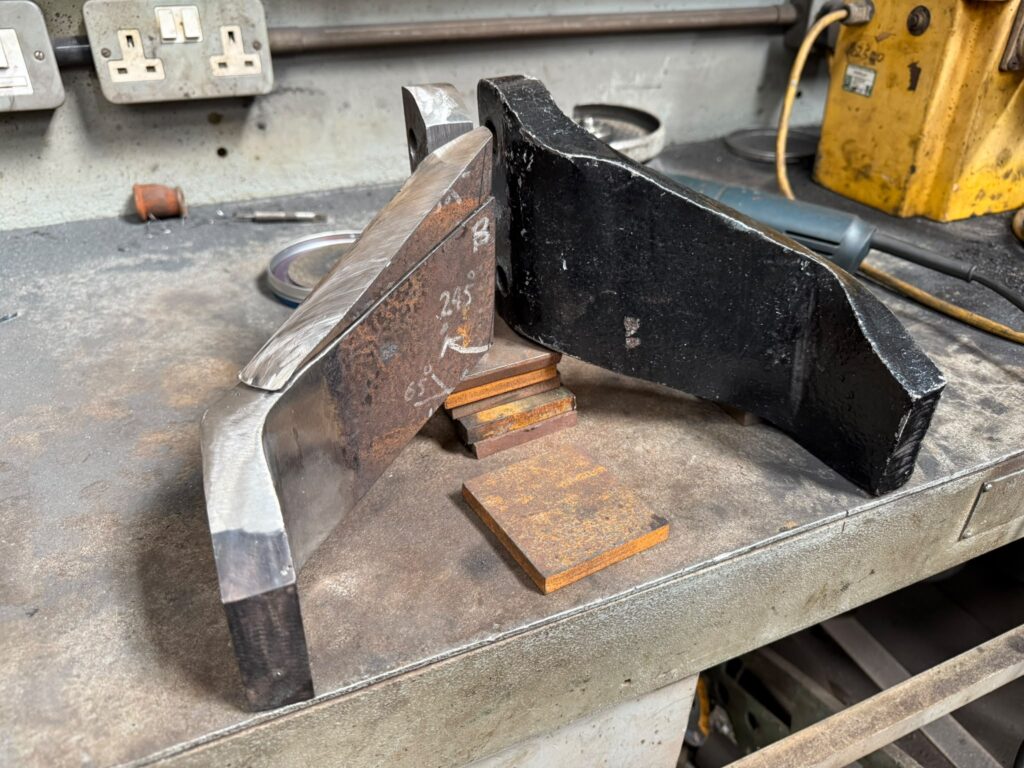
Replacement guard iron being fabricated
Stuart Cunningham and Neil James prepare the sand box filler pipes prior to painting
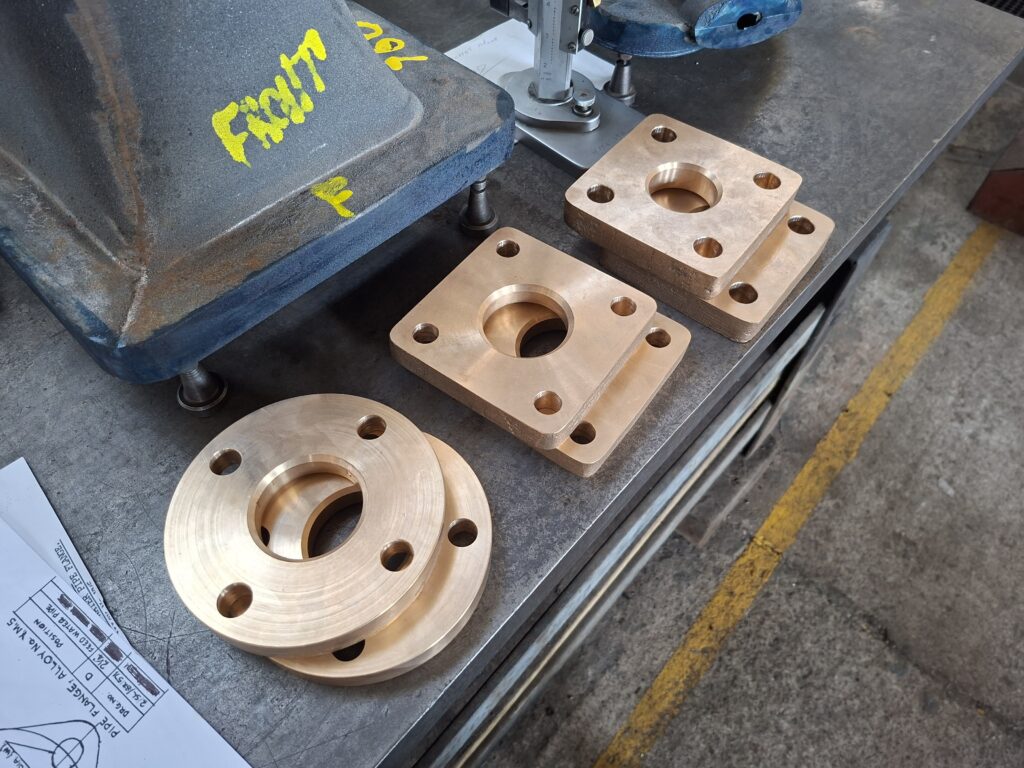
New injector steam & delivery pipe flanges machined
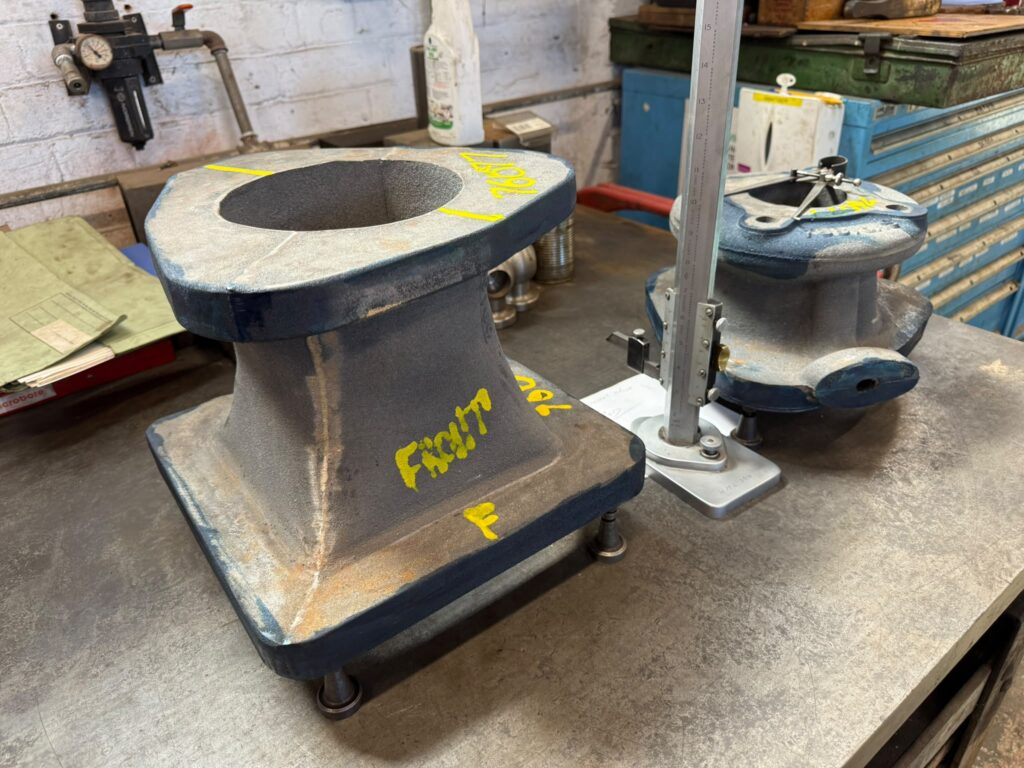
Replacement blast pipe and cap being marked out ready for machining
Finally, a big thank you to everyone supporting us, practically and financially we can’t do this without you.
Words and Pictures: Andrew Meredith – TSLL Engineering director
Words and Pictures: Andrew Meredith – TSLL Engineering director
<------------->
76077 / Toddington Standard Locomotive Limited Update - 30th September 2026 - Written by TSLL
It’s been a good week for TSLL. Last weekend we had a stand at the Gloucestershire and Warwickshire railways first model railway event which went very well with some more funds banked. This week we had two days at LMS working on the chassis where we managed to tick a couple of items off. As normal, info with the photos.


<------------->
.jpg)
For our visitors and railway enthusiasts, it is easy to judge the steam department by what appears in front of the footplate. A locomotive in steam, regulator open and exhaust echoing through the Cotswolds, is the most visible expression of the department's work. Yet the summer of 2026 has provided a useful reminder that the real achievement lies behind that spectacle. The preparation, inspection, modification, maintenance and sheer commitment of the volunteers are what make the impressive and evocative sight possible. I’m sure many of us would happily say, long may it continue!
3850 passes Toddington Signal Box heading for Winchcombe - 8th October 2026
The past few months have consequently been a period of both frustration and progress for the department. The summer drought interrupted normal steam operation at precisely the time when demand for the railway was high, but it also encouraged practical improvements and demonstrated the flexibility of the wider railway. With steam services restored and firing back on all cylinders, I’d say that we can look back on a difficult summer knowing that, as a department, it has emerged better prepared for whatever conditions the future may bring. Who knows what next summer has in store.
.jpg)
For those of you who use Facebook, here are several GWSR-related groups which are worth following:
DMLL - Dinmore Manor Locomotive Ltd
2874 - The 2874 Trust
35006 - 35006 Group
76077 - Standard Locomotive 76077
THL - The Honeybourne Line - a GWR mainline in the making
Anyway, I'm due back at work in a couple of days time. Do enjoy our Mixed Traction Extravaganza!

Thanks to Andy, TSLL, and my fellow steam department members for their contributions.
Alex (the sooty one!).
* Please Note: All locomotives are subject to availability and changes may be made at short notice.
All published photographs and videos are my own unless otherwise stated/credited.
